Separation Anxiety in Children: Causes, Signs & How to Support Them
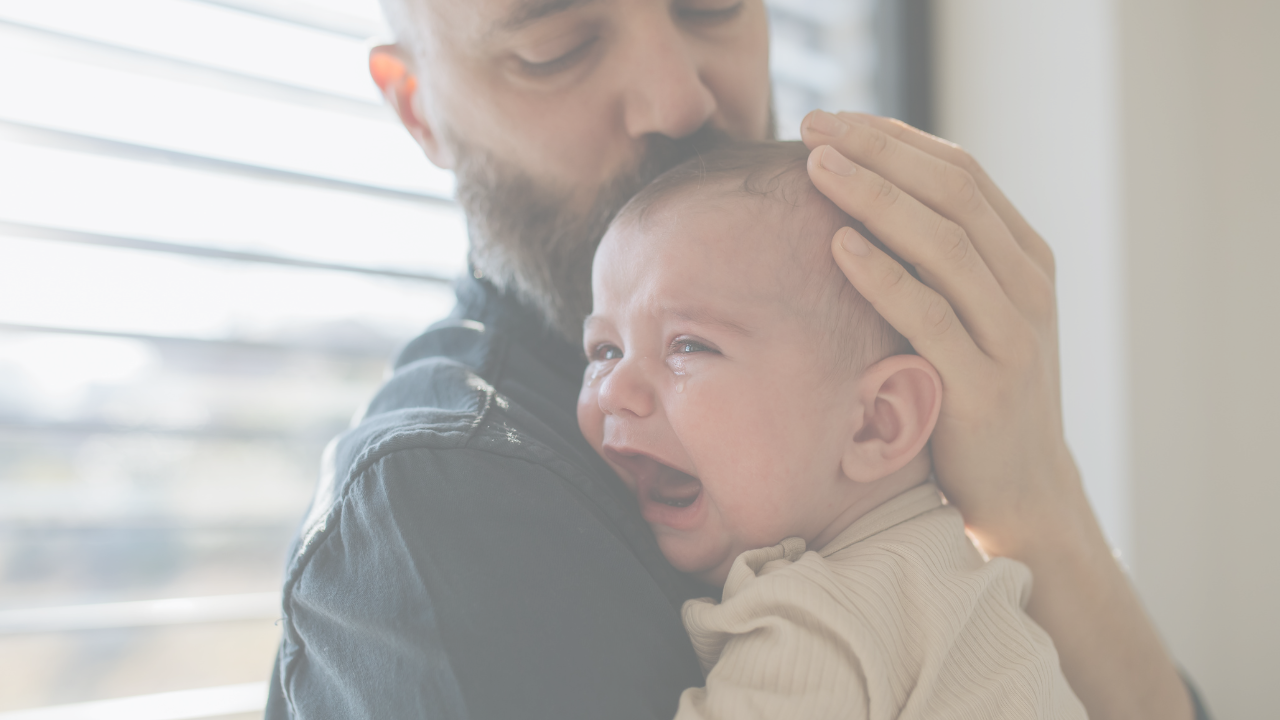
Separation Anxiety in Children: Causes, Signs & How to Support Them
Parenting Collective
What Is Separation Anxiety?
Separation anxiety is a normal developmental stage where babies and children experience distress when separated from their primary caregiver. It’s not a sign of clinginess, manipulation, or insecurity, it’s actually a sign of healthy attachment.
As children develop object permanence and emotional awareness, they begin to understand that caregivers can leave and that can feel unsettling. This awareness often shows up suddenly and can impact sleep, drop-offs, and everyday transitions.
What Causes Separation Anxiety?
Separation anxiety occurs as a result of brain and emotional development. Common contributing factors include:
-
Growing awareness of caregiver absence
-
Strong attachment bonds
-
Increased memory and anticipation
-
Developmental leaps
-
Changes in routine or environment
When a child’s nervous system perceives separation as unsafe, it activates a stress response even when the child is otherwise secure and loved.
When Does Separation Anxiety Commonly Appear?
Separation anxiety most often appears:
-
Between 6–10 months
-
Again around 12–18 months
-
During toddlerhood (2–3 years)
-
Around preschool transitions
These phases often align with developmental growth, mobility, language, and emotional awareness.
Signs and Symptoms of Separation Anxiety
Distress During Separations
Crying, clinging, or panic when a caregiver leaves the room, drops them at daycare, or hands them to another adult.
Difficulty Settling to Sleep
Children may resist bedtime, wake more frequently overnight, or need extra reassurance to fall asleep.
Increased Need for Physical Proximity
Wanting to be held, followed from room to room, or becoming upset when the caregiver is out of sight.
Emotional Disregulation
More frequent meltdowns, frustration, or mood changes particularly during transitions.
How Separation Anxiety Can Affect Sleep
Separation anxiety often intensifies at night when children are tired and their emotional resources are low. Night waking, early mornings, or bedtime resistance are common during these phases.
This doesn’t mean sleep skills are “lost” it means your child needs extra emotional safety while their nervous system matures.
How to Support a Child Through Separation Anxiety
Stay Calm and Confident
Children take emotional cues from caregivers. Calm, predictable responses help signal safety to the nervous system.
Practice Predictable Separations
Short, consistent separations during the day can build trust. Always say goodbye, sneaking away can increase anxiety.
Maintain Routines
Consistent routines provide security and help children anticipate what comes next.
Offer Connection Before Independence
Extra connection during the day often supports easier separation later. Independence grows from connection, not away from it.
Common Questions Parents Ask
Will responding to separation anxiety make it worse?
No. Responsive support builds emotional security and helps anxiety resolve more quickly.
Should I force separations to “toughen them up”?
Forced separation can increase stress and undermine trust. Gentle exposure works far better.
How long does separation anxiety last?
It often comes in waves and resolves as the child’s nervous system matures.
When to Seek Extra Support
If separation anxiety is:
-
Severe or prolonged
-
Interfering significantly with sleep or daily life
-
Accompanied by regression in skills
Professional guidance can help you support both your child and yourself through this phase.
More From This Topic
You may also find these helpful:
-
Baby sleep regressions explained
-
Night waking and emotional development
-
Supporting toddlers through transitions
-
Gentle sleep and parenting support
Final Thoughts
Separation anxiety is not something to fix, it’s something to support. It reflects a child who is deeply attached and learning how the world works.
With patience, reassurance, and consistency, children move through separation anxiety and emerge more secure, confident, and resilient.
You are not creating dependency, you are building trust 💛
CLICK HERE TO BOOK YOUR FREE 15 MINUTE CHAT
Much Love
Donna xoxo