Is Snoring Normal in Children? What Parents Need to Know About Sleep & Breathing
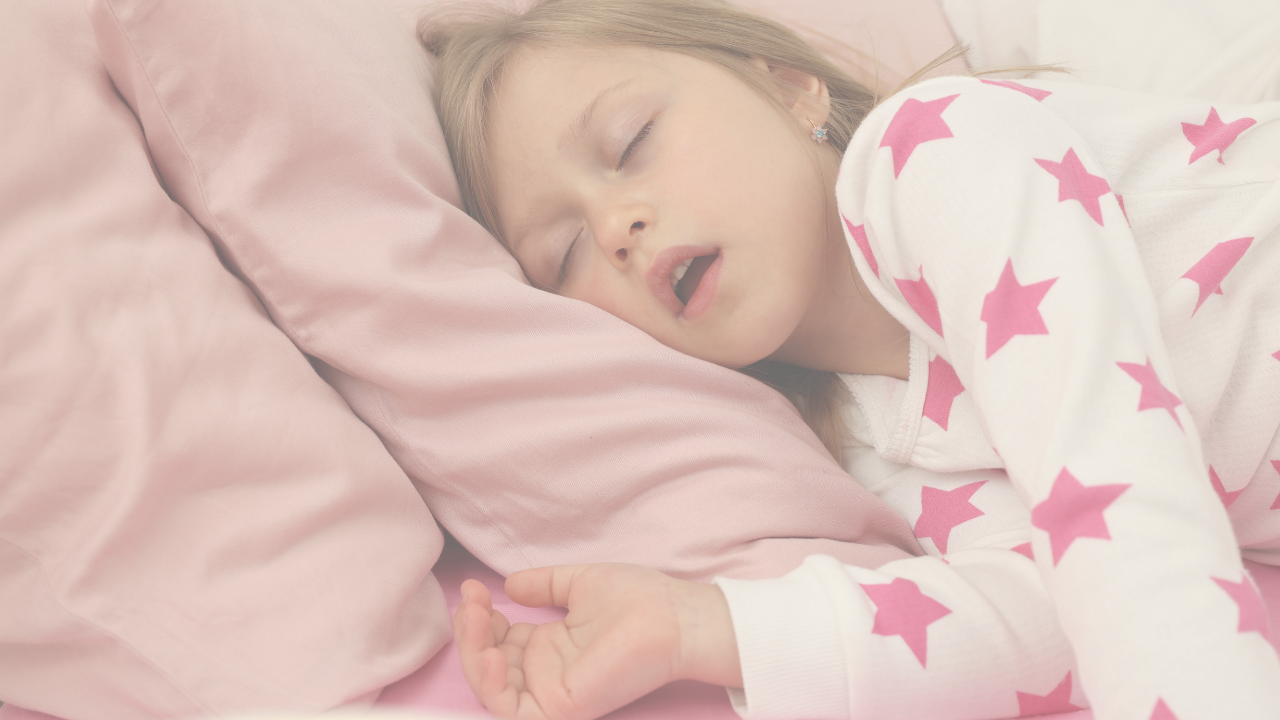
Is Snoring Normal in Children? What Parents Need to Know About Sleep & Breathing
Child Sleep, Snoring & Sleep Apnea Explained | Parenting Collective
Most of us think of snoring as a normal part of life. Maybe it’s a partner, a grandparent, or someone who snores so loudly the whole house knows about it. It can be annoying, but usually harmless.
But when it comes to babies and young children, snoring is a different story.
Occasional snoring can be normal, but regular or loud snoring in children is not something to ignore, especially when it affects sleep quality.
Is Snoring Normal for Kids?
According to the National Sleep Foundation:
-
Most children snore occasionally
-
Only around 10% of children snore regularly
-
By comparison, 30–40% of adults snore
Snoring happens when air can’t move freely through the nose and mouth during sleep. In adults, this is often related to airway shape, muscle tone, or sleep position. In children, however, ongoing snoring is more likely to have an underlying cause.
Common Causes of Snoring in Children
Snoring in children can be linked to several factors, including:
-
Allergies
-
Colds or respiratory infections
-
Narrow airways or smaller jaw structure
-
Enlarged tonsils or adenoids
-
Sleep-disordered breathing or sleep apnea
Some of these causes are temporary and resolve on their own. Others may require medical assessment, particularly if snoring is loud, frequent, or disruptive.
What Is Sleep Apnea in Children?
Around 1–3% of children between the ages of 1 and 9 experience sleep apnea or upper airway resistance syndrome.
Sleep apnea occurs when the airway becomes partially or fully blocked during sleep, causing:
-
Pauses in breathing
-
Gasping or snorting sounds
-
Frequent micro-wakenings
These pauses can last from a few seconds up to a minute. The brain then triggers a response to restart breathing, often without the child fully waking.
How Snoring and Sleep Apnea Affect Child Sleep
Repeated breathing disruptions fragment sleep, even if parents don’t notice full awakenings. Over time, this can lead to:
-
Poor sleep quality
-
Daytime fatigue
-
Irritability and mood swings
-
Difficulty focusing and learning
Research suggests that children who snore loudly are more likely to experience learning and attention difficulties, not because of behaviour, but because tired brains struggle to function optimally.
Tired children may also appear hyperactive, which is often a sign of overtiredness rather than excess energy.
When Should Parents Be Concerned?
It’s important to speak to your GP if your child:
-
Snores loudly most nights
-
Pauses, gasps, or snorts during sleep
-
Wakes unrefreshed
-
Has behavioural or concentration difficulties
-
Breathes through their mouth most of the time
A helpful tip is to record a short video of your child sleeping to show your doctor. From there, your GP may refer you to an ENT (Ear, Nose and Throat specialist) for further assessment.
Treatment Options for Snoring and Sleep Apnea
The good news is that many causes of sleep-disordered breathing in children are treatable. In some cases, removing enlarged tonsils or adenoids can dramatically improve sleep quality.
Early identification matters, better breathing leads to better sleep, which supports healthy development.
Final Thoughts: Trust Your Instincts
Having a child who snores occasionally isn’t necessarily a problem. But persistent snoring is worth investigating, not to panic, but to protect your child’s sleep and wellbeing.
Good sleep is foundational. Addressing breathing concerns early can help ensure calmer days, better focus, and healthier sleep long-term.
Take it one step at a time, and reach out for support if you need it 💛
CLICK HERE TO BOOK YOUR FREE 15 MINUTE CHAT
Much Love
Donna xo