How to remove the Dummy FREE downlowdable| Parenting Collective
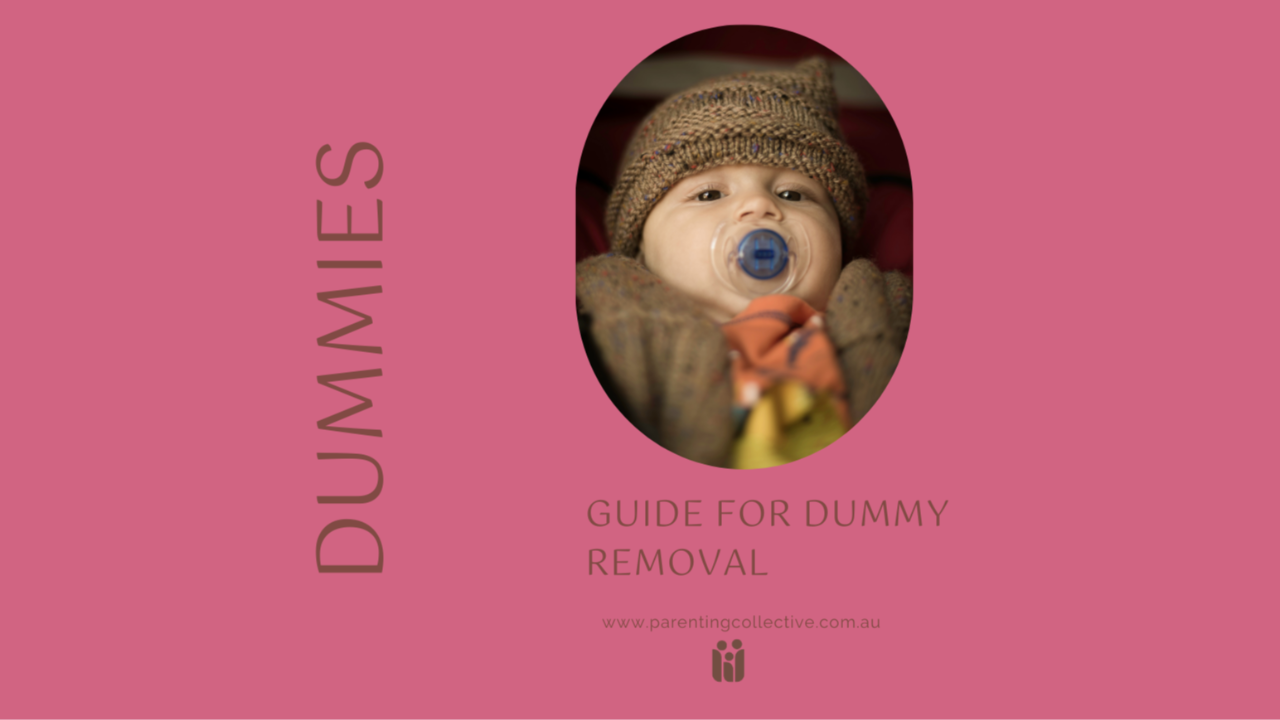
How to Remove the Dummy
A Step-by-Step Guide from Parenting Collective
Understanding Dummies
Dummies (also known as pacifiers or soothers) are commonly used to support babies with settling, comfort, and regulation. For many families, they can be a helpful tool , especially in the early months, but they’re not designed to be a long-term solution.
Understanding why dummies are used, and when they stop being helpful, allows parents to make confident, informed decisions about both introducing and removing them, without guilt, pressure, or fear.
What Are Dummies for Babies?
Dummies support babies by satisfying the natural sucking reflex, which can be calming and regulating, particularly for newborns. They may help some babies settle to sleep and can offer comfort during moments of stress or fatigue.
Pros and Cons of Using a Dummy
Pros:
-
Can support settling and calming
-
May reduce the risk of SIDS when used safely during sleep
-
Helpful during short-term phases (newborn period, illness, travel)
Cons:
-
Can become a sleep dependency
-
May disrupt sleep as babies wake needing help to replace it
-
Prolonged use can impact oral development and speech if not weaned appropriately
When to Introduce a Dummy
Ideal Age for Introducing a Newborn Dummy
For breastfeeding babies, it’s generally recommended to wait until breastfeeding is well established (often around 3–4 weeks) before introducing a dummy. This helps avoid nipple confusion and supports a strong feeding relationship.
Formula-fed babies may tolerate earlier introduction, but responsiveness and feeding cues should always come first.
Can a Newborn Sleep with a Dummy?
Yes — a dummy can be offered at sleep onset if it helps your baby settle. Importantly, it should never be forced, and if it falls out during sleep, there’s no need to replace it continuously. Safety guidelines recommend offering the dummy, not re-inserting it throughout the night.
How to Get Your Baby to Take a Dummy (If You Choose To)
Not all babies want or need a dummy and that’s completely okay.
Tips for Encouraging Dummy Use
-
Offer the dummy when your baby is calm, not distressed
-
Try after a feed, not instead of one
-
Use gentle persistence, not pressure
Best Dummy for Breastfeeding Babies
Look for orthodontic, soft silicone dummies designed to mimic the shape and movement of the breast. Avoid frequent switching between brands, as consistency matters for babies learning new sensations.
Weaning Off the Dummy
For many families, dummy removal becomes helpful between 6–18 months, before it significantly interferes with sleep, speech, or emotional regulation.
Signs It’s Time to Wean Off the Dummy
-
Frequent night wakings to replace the dummy
-
Dummy dependence for falling asleep
-
Increased frustration or distress when it falls out
-
Approaching toddlerhood with strong attachment to it
How to Wean Baby Off the Dummy Effectively
Gentle, responsive weaning works best:
-
Limit dummy use to sleep only
-
Remove the dummy before baby is fully asleep
-
Gradually reduce reliance rather than stopping abruptly
-
Offer comfort through connection, not substitution
Cold-turkey approaches can work for some toddlers but often increase distress and sleep disruption — which is not necessary for most families.
Common Concerns and Solutions
How to Get Rid of a Dummy at 2 Years
At this age, emotional attachment is strong. Successful weaning often involves:
-
Clear, calm communication
-
Gradual reduction (sleep only → naps only → none)
-
Replacing the dummy with comfort strategies like cuddles, stories, or a special sleep routine
Consistency and reassurance matter more than speed.
Can Babies Sleep with a Dummy as They Wean?
Yes. Many babies continue to sleep well during the weaning process when supported gently. The goal isn’t perfection, it’s progress. Removing the dummy at sleep onset first is often the most effective step before tackling overnight sleep.
Conclusion: Gentle, Confident Dummy Removal
Removing the dummy doesn’t have to be stressful or dramatic. With the right timing, realistic expectations, and responsive support, most babies and toddlers transition away from dummies smoothly and often sleep better as a result.
There is no one “right” age or method. The best approach is the one that respects your child’s development and your family’s capacity. If dummy dependence is affecting sleep or wellbeing, gentle guidance can make all the difference.
Click here for you Free 15 minute chat Click HERE
Much Love
Donna