Co-Regulation at Bedtime: How to Calm Bedtime Anxiety and Support Better Sleep
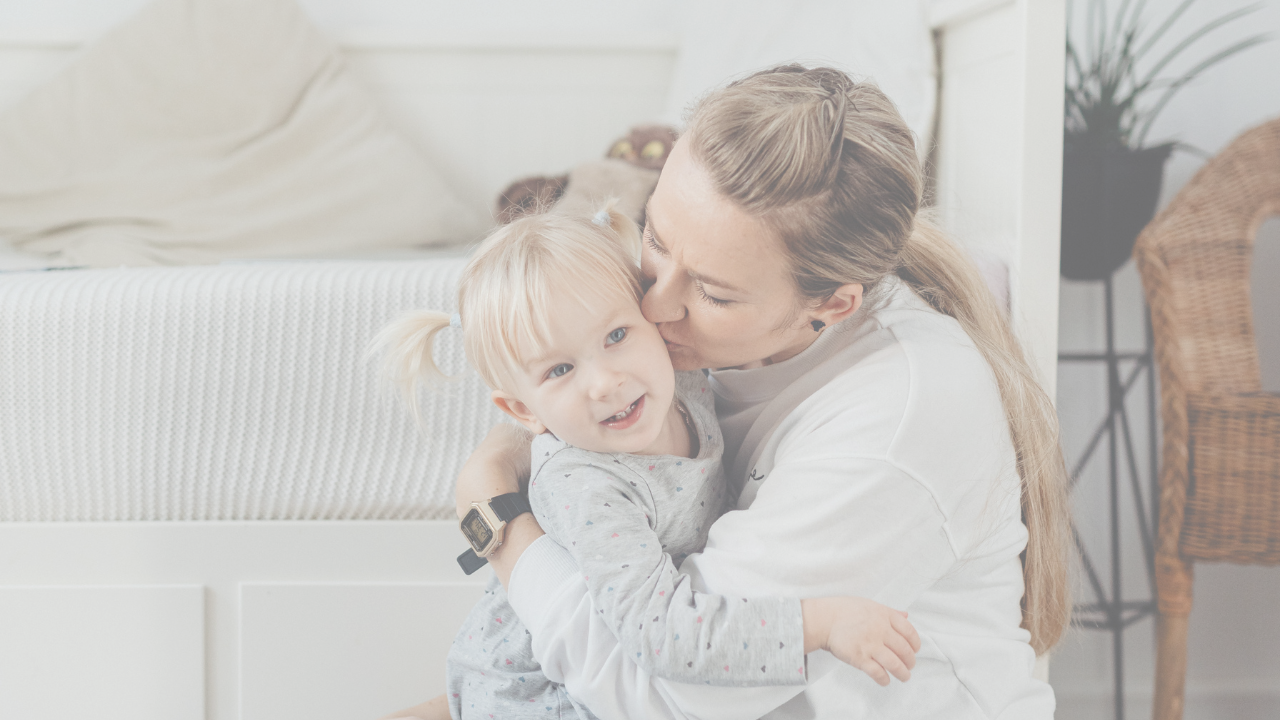
Co-Regulation at Bedtime: How to Calm Bedtime Anxiety and Support Better Sleep
Helping Children Feel Safe Enough to Sleep | Parenting Collective
Co-regulation is the process where an adult supports a child to manage big emotions before they are able to do it on their own. For babies and young children, whose nervous systems are still developing, co-regulation is not a bonus skill. It is essential.
At bedtime, when children are tired and their emotional capacity is low, co-regulation becomes one of the most powerful tools we have to support calm, connected sleep.
What Is Co-Regulation and Why Does It Matter for Sleep?
Co-regulation happens when a calm, regulated adult helps a child move from emotional distress into a state of safety. Over time, this teaches the child how to regulate themselves.
Bedtime often amplifies anxiety because children are:
-
Separating from their parents
-
Entering darkness and quiet
-
Transitioning from stimulation to stillness
For many children, this can trigger bedtime anxiety, fear of the dark, or separation anxiety, all of which can interfere with falling asleep.
Co-regulation helps the nervous system feel safe enough for sleep to occur.
Why Bedtime Anxiety Affects Children’s Sleep
When a child feels anxious at bedtime, their body releases stress hormones like cortisol. This makes it harder to:
-
Calm down
-
Fall asleep
-
Stay asleep
-
Resettle after night wakings
Co-regulation reduces this stress response by offering predictability, emotional safety, and connection, the foundations of healthy sleep.
Practical Co-Regulation Strategies for Bedtime
1. Create a Predictable Bedtime Routine
Consistency is deeply calming for the nervous system. A predictable bedtime routine, bath, pyjamas, story, cuddle, signals safety and helps the body prepare for sleep.
Routine reduces anxiety because children know exactly what comes next.
2. Stay Calm and Emotionally Present
Children mirror the emotional state of their caregivers. If you are calm, your child is far more likely to settle.
Use:
-
A gentle tone
-
Slow movements
-
Relaxed body language
You are lending your nervous system to theirs.
3. Listen and Validate — Without Over-Questioning
Allow your child to share fears or worries without trying to fix them immediately.
Helpful language might sound like:
“I hear you. I understand. You are safe.”
Avoid too many questions. Let your child speak, and respond with reassurance rather than problem-solving.
Feeling understood is often what calms anxiety, not explanations.
4. Teach Simple Breathing Techniques
Breathing helps regulate the nervous system quickly.
Try:
-
Inhale for 3 seconds
-
Hold for 3 seconds
-
Exhale for 3 seconds
Make it playful, blowing out candles, breathing like a sleepy bear, or weaving it into a bedtime story.
5. Use Imagery and Storytelling
Children’s imaginations are powerful regulators.
Guided imagery — imagining a safe, happy place, or stories where the child overcomes fears can gently redirect anxious thoughts and support relaxation before sleep.
6. Support Separation Anxiety Gradually
If your child struggles with separation at bedtime, gradual support can help:
-
Stay in the room initially
-
Slowly reduce your presence over time
-
Move at your child’s pace
This builds confidence without overwhelming their nervous system.
7. Offer Encouragement, Not Pressure
Acknowledge effort, not perfection:
“You did such a good job calming your body.”
Positive reinforcement helps children feel capable and supported, without making bedtime performance-based.
8. Be Consistent Over Time
Co-regulation is most effective when it’s consistent. With repetition, children begin to internalise these calming strategies and develop independent emotional regulation, which directly supports better sleep.
Final Thoughts: Co-Regulation Builds Sleep Skills for Life
Co-regulation isn’t just about getting through bedtime, it’s about teaching your child how to feel safe in their body.
When children feel emotionally supported at bedtime, sleep becomes easier, night wakings reduce, and long-term sleep confidence grows.
You are not creating dependence.
You are building resilience 💛
Book you FREE 15 minute chat here to discuss your baby's sleep challenges