Can You Sleep Train While Breastfeeding?
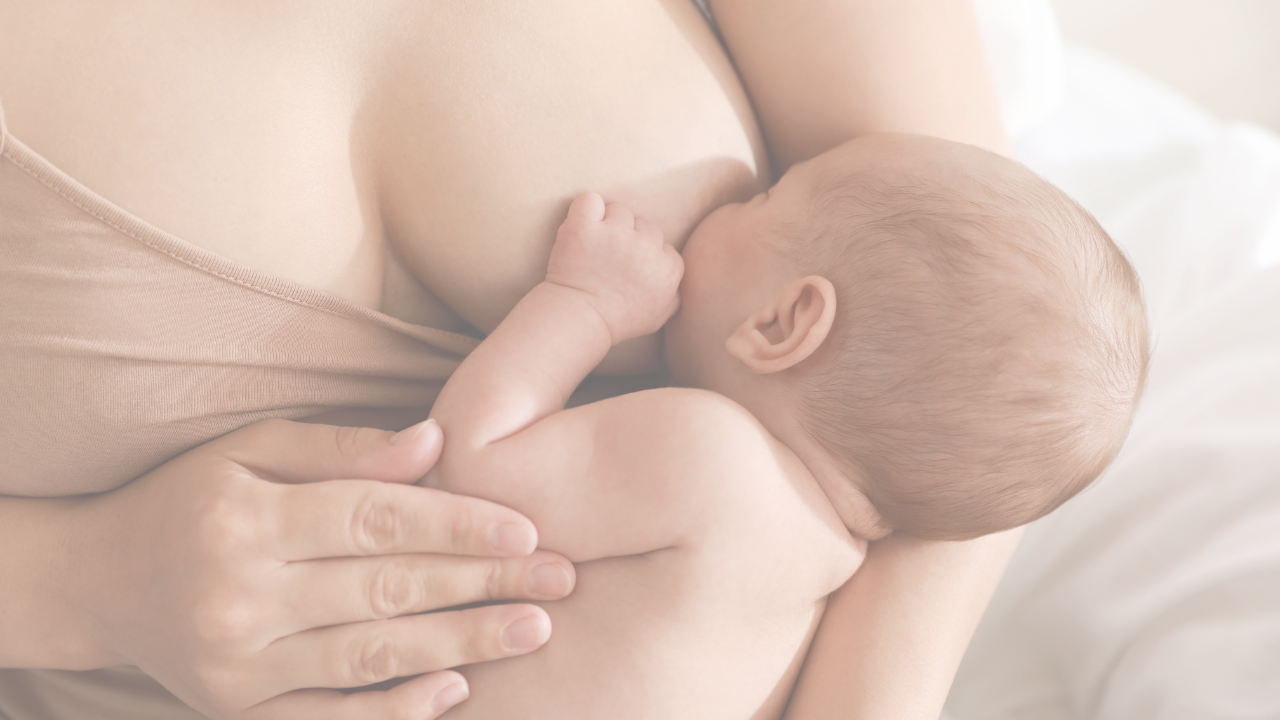
Can You Sleep Train While Breastfeeding?
Breastfeeding, Night Waking & Independent Baby Sleep Explained
One of the most common questions new parents ask is:
“Can I sleep train my baby if I’m breastfeeding?”
With the overwhelming amount of sleep advice available today, much of it conflicting, it’s no surprise this feels confusing. Breastfeeding, baby sleep, and night waking are deeply emotional topics, and many parents are told they must choose between responsive feeding and healthy sleep.
The truth is far more reassuring.
Breastfeeding and Baby Sleep: Clearing Up the Confusion
A common belief is that breastfed babies wake more at night because breast milk digests faster than formula. While breast milk does digest slightly faster, the difference is often misunderstood and overstated.
Newborns typically feed:
-
Every 2.5–3 hours if breastfed
-
Every 3–4 hours if formula fed
This is due to stomach size and biology, not feeding method. Formula is not a magic solution for longer sleep, and feeding choice alone does not determine night waking.
Do Babies Really Sleep Through the Night?
Here’s an important sleep truth:
Nobody sleeps straight through the night.
Adults and babies alike move through multiple sleep cycles every night, transitioning from light sleep to deep sleep and back again. Babies simply have shorter sleep cycles, which means they reach light sleep and wake more often.
When people say a baby “sleeps through the night,” what they really mean is that the baby:
-
Falls asleep independently
-
Moves between sleep cycles
-
Resettles without parental help
This skill is called independent sleep.
Independent Sleep Skills Matter More Than Feeding Method
Whether a baby is breastfed or formula fed, they will still wake during the night. The difference is how they respond to those wakings.
If a baby has learned to fall asleep with help feeding, rocking, sucking, or being held, they will usually need the same help again when they wake between cycles.
This is not hunger.
This is a sleep association.
Newborn Sleep vs Older Baby Sleep
For newborns under 6 months, night feeds are developmentally normal and expected, regardless of feeding method. Even with excellent sleep foundations, most babies will still need night feeds during this period.
However, between 3–6 months, babies who are learning independent sleep skills may begin achieving longer sleep stretches, such as 10–11 hours with an early morning feed.
Importantly, this has nothing to do with breast milk vs formula and everything to do with sleep skills and development.
After 6 Months: Hunger or Sleep Association?
By around 6 months, many babies are physically capable of meeting their calorie needs during the day. At this stage, frequent night waking is often no longer about hunger.
Signs your baby may be feeding for comfort rather than hunger include:
-
Taking only a small amount during night feeds
-
Falling asleep within minutes of feeding
-
Waking again after 45–60 minutes
-
Resettling without a feed if supported differently
In these cases, feeding has become part of the baby’s sleep strategy, not a nutritional need.
Feeding on Demand and Sleep Training Can Coexist
Feeding on demand is a valid, responsive choice and one I fully support when it works for the family. However, feeding on demand does not mean every night waking must be a feed forever.
It means learning to distinguish:
-
True hunger cues
-
Requests for help falling asleep
Babies can absolutely continue breastfeeding on demand while also learning to fall asleep and resettle independently.
Is Sleep Training and Breastfeeding Mutually Exclusive?
In my professional experience supporting thousands of breastfeeding families, the answer is a clear no.
You do not need to stop breastfeeding to support better sleep.
You do not need to night-wean immediately to teach sleep skills.
You do not need to choose between connection and rest.
With the right approach, you can have:
-
A breastfed baby
-
Responsive parenting
-
Independent sleep skills
-
Longer, more settled nights
Final Thoughts on Breastfeeding and Baby Sleep
Breastfeeding is a beautiful, powerful relationship and it does not prevent healthy sleep. Likewise, teaching sleep skills does not undermine breastfeeding.
Sleep is a learned, developmental skill, and when babies are supported to develop it gently and appropriately, everyone benefits, including mum.
And if you would like guidance navigating this balance, you don’t have to do it alone.
Much Love
Donna
Book you FREE 15 minute chat here to discuss your baby's sleep challenges